

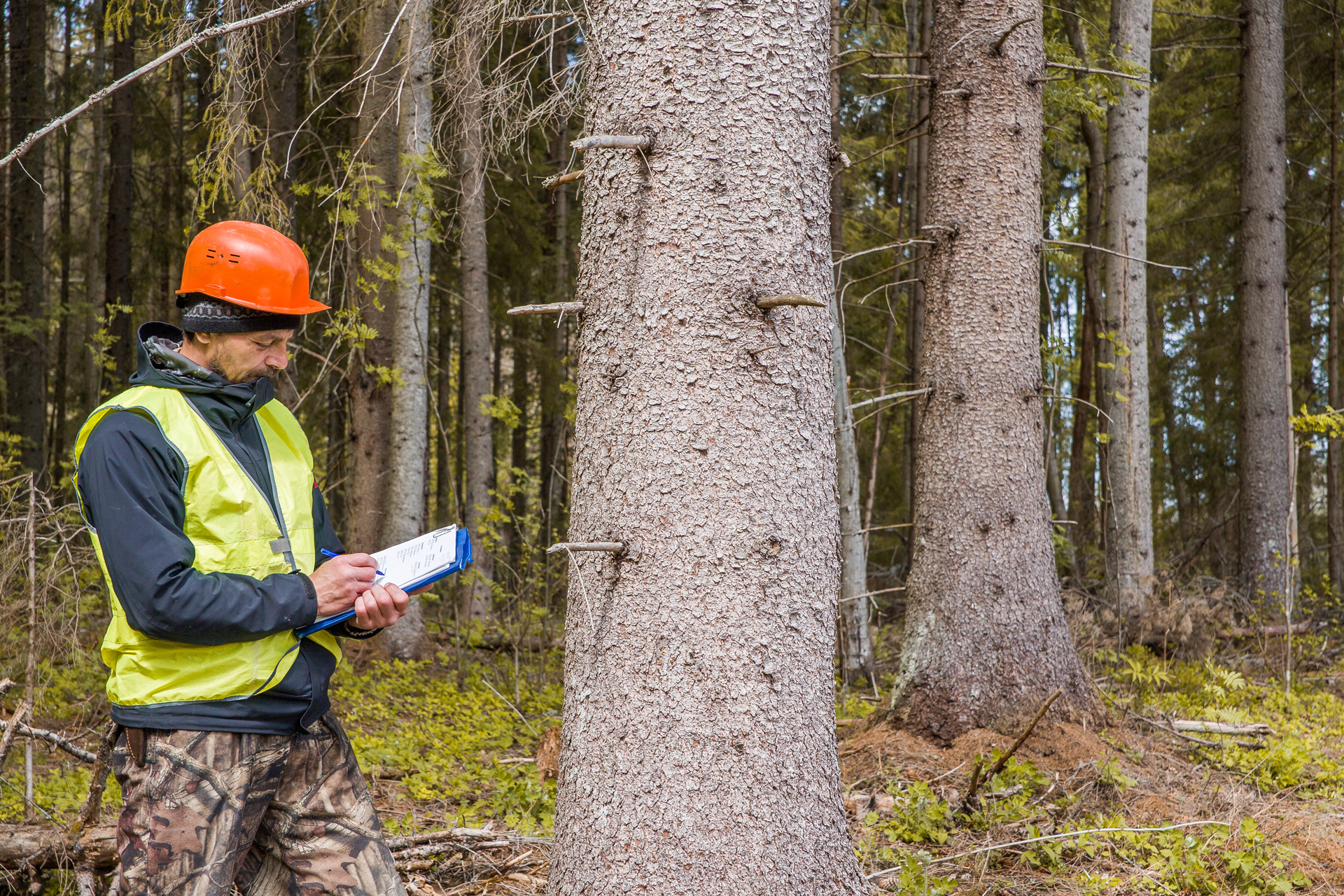
Field staff conducting water, soil, air, and habitat assessments in remote locations.
A Safety Lifeline for Environmental & Wildlife Teams in Remote Terrain
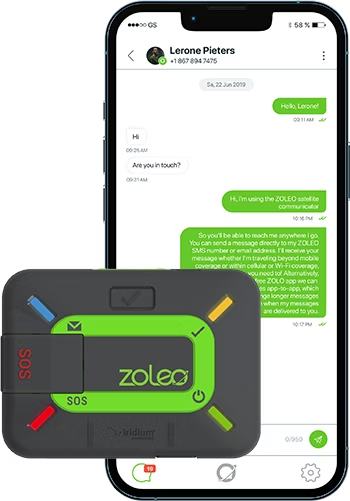
Environmental monitors, wildlife specialists, and land stewards often work far from roads, cell coverage, and immediate help. Be Safe provides a durable lone-worker solution designed to support field teams in rugged, remote, and high-variability environments.
Enables location awareness to support faster response when contact is lost.
Industry leaders across Canada trust Be Safe to simplify safety and strengthen their duty of care.
Support Field Teams Working Where Conditions Change Fast
Environmental and wildlife work frequently involves travelling alone, hiking into remote areas, working near wildlife, or operating in harsh weather and terrain. Response time matters, and so does the ability to monitor changing hazards.
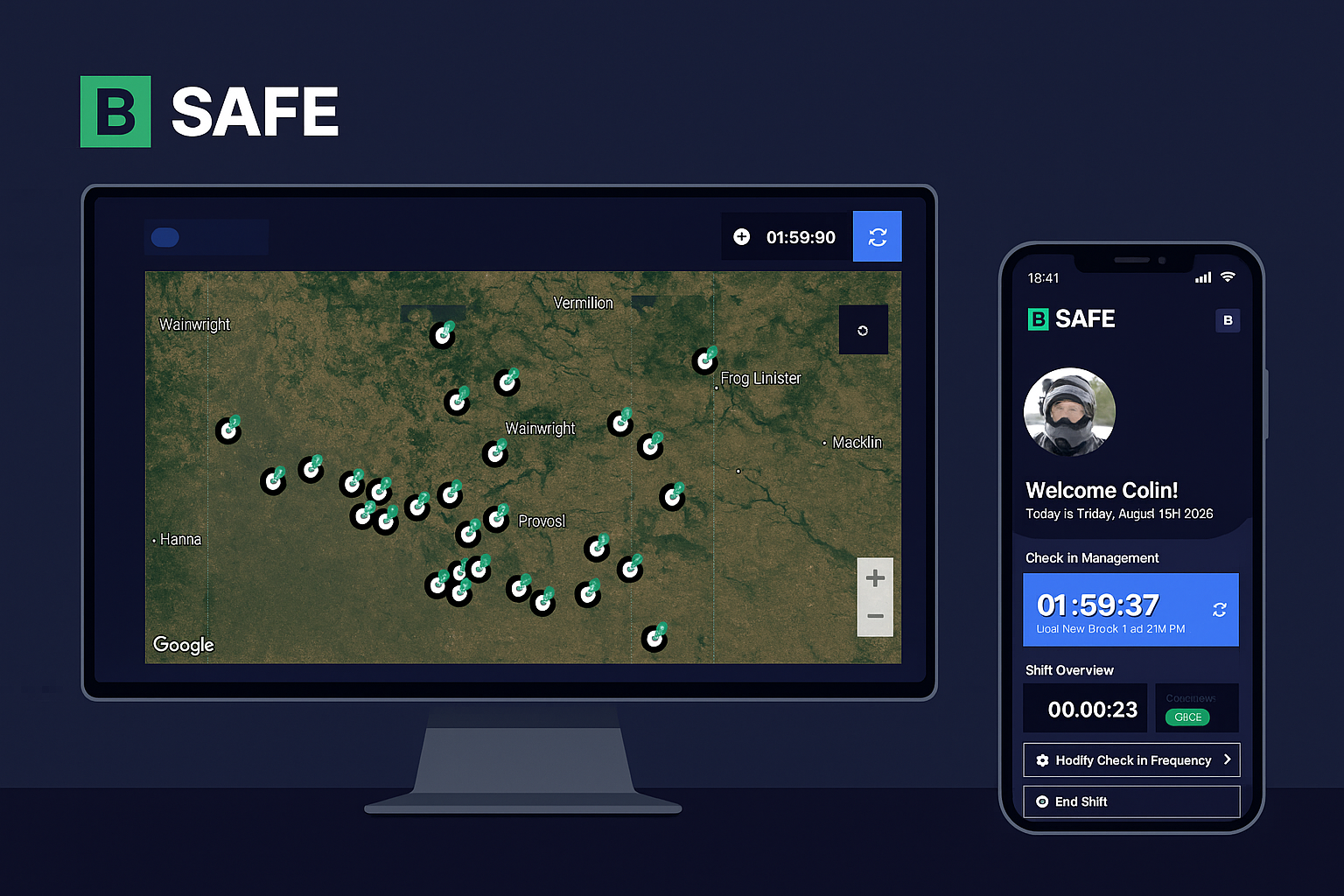
Be Safe helps organizations support these teams with non-intrusive check-ins, 24/7 monitoring, and in higher-risk operations real-time gas detection data integrated into the app.
Why Environmental & Wildlife Teams Choose Be Safe
Designed to keep your lone workers secure, informed, and connected while working.
Flexible Check-In Intervals
Adapt schedules for extended hikes, long monitoring periods, or stationary observation.
Escalation When Contact is Lost
If check-ins are missed, Be Safe triggers your response workflows to check on worker safety.
24/7 Human Monitoring
Real operators handle alerts and coordinate response steps as needed.
Real-Time Gas Detection Data
For operations near industrial sites, well sites, or facilities, live data integration supports awareness of hazardous atmospheres.
Supports Remote Decision-Making
Location and alert details help supervisors determine next steps when communication is limited.
Documented Safety Program
Demonstrates that you’ve implemented structured lone-worker protection measures for remote field roles.
Safety for Environmental Field Operations
Real examples of Be Safe helping workers stay connected, supported, and accounted for during monitoring, sampling, and site assessments.
Where Environmental & Wildlife Teams Use Be Safe
Specialists working alone near wildlife corridors, nesting areas, or conflict-prone zones.
Crews overseeing reclamation, remediation, and land-use monitoring on dispersed sites.
Researchers and conservation staff working in backcountry or low-access areas.
Field teams collaborating with energy, utilities, or infrastructure partners in remote project areas.
Protect People Doing Critical Work in Challenging Environments
Be-Safe helps environmental and wildlife organizations:
Reduce risk for staff working alone in remote locations
Improve oversight and response capacity for field operations
Support funding and regulatory obligations around worker safety
Enhance confidence for staff and families
Provide clear, auditable records of safety oversight